
Bangladesh held its general election on 12 February 2026, but instead of bringing closure after years of unrest, the vote has sparked fresh anger and debate. Many Bangladeshis, activists, and analysts are openly calling the election a “joke” or “sham.”
This was the first national election after the 2024 student-led uprising that removed long-time Prime Minister Sheikh Hasina and pushed her into exile in India. Since then, the country has been run by an interim government led by Nobel laureate Muhammad Yunus.
The biggest problem: no real competition The election went ahead without the Awami League, Bangladesh’s largest and most influential party. The interim government banned the party in 2025, accusing it of serious human rights abuses during the 2024 protests.
The Awami League had ruled for 15 years and traditionally received around 30% of the national vote. Its absence meant millions of supporters stayed home.
From exile, Sheikh Hasina said the election was “illegal, unconstitutional, and staged to silence the voice of the people.”
Low turnout across many districts only added to the feeling that the result was decided in advance.
Violence, fear, and irregularities There were reports of pre-election violence, intimidation, and clashes in several areas. Human rights groups raised concerns about rushed electoral reforms and weak oversight.
With the Awami League gone, the Bangladesh Nationalist Party (BNP) dominated the race and is expected to form the next government. Smaller parties questioned the credibility of the process, while minority communities reported feeling unsafe during polling.
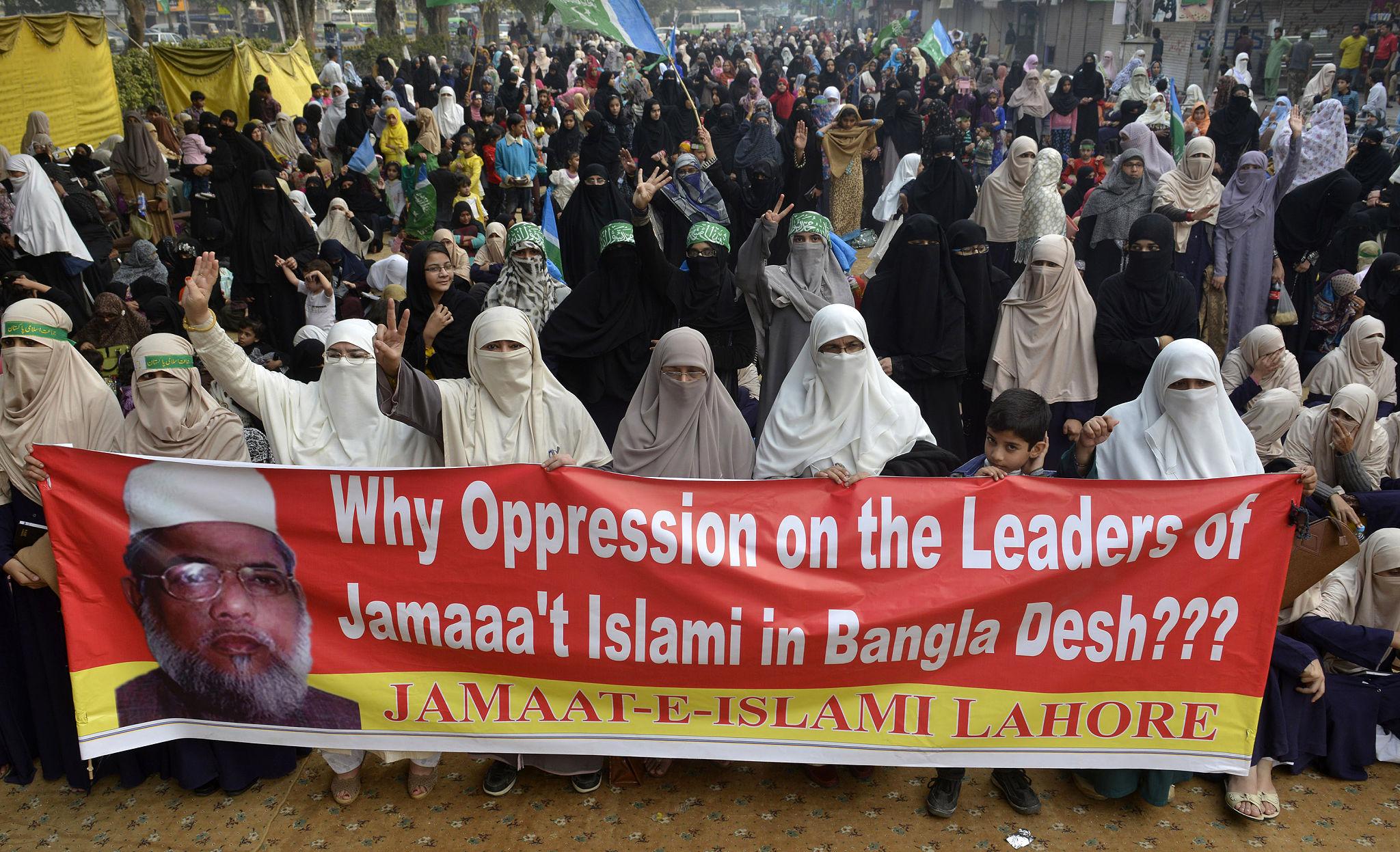
Growing worries about Islamist influence Another major concern is the rise of Islamist parties, especially Jamaat-e-Islami, which gained ground in the Awami League’s absence. Critics fear this could weaken Bangladesh’s secular foundations and roll back women’s and minority rights.
A senior BNP leader tried to calm fears, saying: “This election reflects the people’s desire for change after years of authoritarian rule.” Many voters, however, say they were never given a real choice.
Why the US and EU are still backing it The truth is simple and uncomfortable. The US and EU are not defending democracy in Bangladesh. They are protecting their own interests.
This election is being accepted not because it was fair, but because it produced a government that suits Western geopolitics.
What is really driving US and EU support ?
Democracy is not the priority If democracy mattered, banning the Awami League would have been a red line. It wasn’t. Millions of voters were excluded, and Western capitals stayed quiet.
“Anyone but Hasina” thinking The fall of Sheikh Hasina was welcomed in Washington and Brussels. What replaced her mattered less, as long as it was not seen as India-leaning or China-friendly.
Short-term stability over long-term damage The rise of Islamist forces is treated as a future problem. The West has done this before — look at
Afghanistan, where short-term deals helped create the conditions for the Taliban to return. The lesson was not learned.
Lack of real understanding Many Western policymakers simply do not grasp how fragile Bangladesh’s secular fabric is. They underestimate how fast things can slide once religion-based politics gains momentum.
Convenience diplomacy Calling the election “good enough” avoids tough decisions, sanctions, or diplomatic friction. It keeps embassies comfortable and statements clean.
What Bangladeshi critics are saying A senior civil society voice in Dhaka summed it up bluntly: “They talk about values, but they act on interests. Democracy is just the language.” Another political analyst warned: “By legitimising this election, the West is helping create a problem it will regret later.”
What this means for Bangladesh For now, Bangladesh has a new government — but not broad public confidence. Instead of healing the wounds left by years of political conflict, the 2026 election has deepened mistrust. Whether this vote becomes a stepping stone toward real democracy, or just another chapter in Bangladesh’s long political crisis, remains an open question.
Comments (1)