
The sentencing of Jimmy Lai to 20 years in prison marks one of the darkest chapters in Hong Kong’s recent history. Once a symbol of the city’s free press and open debate, Lai is now the harshest-punished individual under Hong Kong’s national security regime—a sentence his family fears could mean he dies behind bars.
Lai’s children, Claire and Sebastien, described the punishment as “heartbreakingly cruel” and “draconian,” especially given their father’s age and declining health. At 78, after years in detention—much of it in solitary confinement—the sentence amounts, in their words, to a life term.
From Free City to Fear
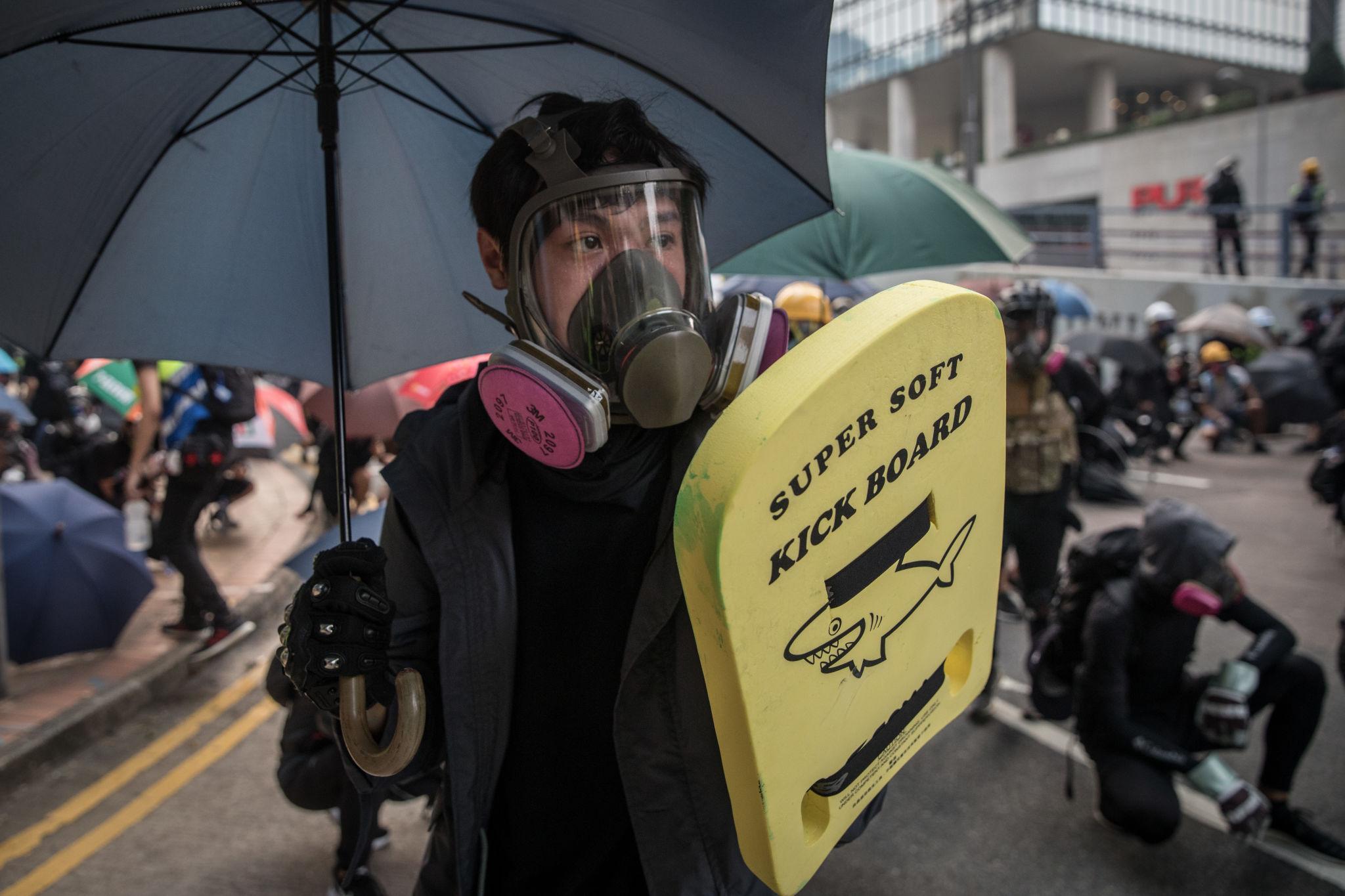
Lai’s conviction on charges of sedition and conspiracy to collude with foreign forces caps a years-long legal saga that critics say mirrors Hong Kong’s transformation itself: from a largely free city to one where dissent is systematically crushed. As founder of the now-defunct Apple Daily, Lai backed the pro-democracy movement that surged in the 2010s. That movement was effectively ended in 2020 with the imposition of the national security law; Apple Daily was forced to close the following year.
International reaction was swift. Press freedom and human rights groups condemned the sentence as a fatal blow to independent journalism. Reporters Without Borders said it underscored the “complete collapse of press freedom” in Hong Kong. Human Rights Watch called it “effectively a death sentence,” while Amnesty International described the case as another grim milestone in Hong Kong’s slide from rule of law to rule by fear.
Official Applause, Global Alarm
Hong Kong’s leadership took the opposite view. Chief executive John Lee said the outcome was “deeply gratifying,” while Beijing officials labeled it “legitimate” and “reasonable.” For critics, that contrast—official celebration amid international outrage—captures the political nature of the case.
Western governments have pressed for Lai’s release on humanitarian grounds. British and US leaders have raised his case directly with Xi Jinping, but with little visible progress so far. Lai’s family warns that time is running out.
A Message Beyond Hong Kong
Beyond Lai himself, the sentence sends a broader signal—one closely watched by strongman leaders elsewhere. When a prominent publisher can receive decades in prison for speech and political advocacy, it normalizes the idea that courts can be used as tools to silence critics.
For leaders with authoritarian instincts—whether Donald Trump railing against hostile media, or Recep Tayyip Erdogan jailing journalists and opponents—the Hong Kong precedent is instructive. It shows how national security rhetoric can be weaponized to criminalize dissent, chill the press, and deter opposition without formally abolishing elections or courts.
Why It Matters
Jimmy Lai’s case is no longer just about one man, or even one city. It is a warning about how quickly freedoms can erode when the rule of law bends to political power—and how easily that playbook can travel. If this sentence stands unchallenged, it risks becoming a reference point for governments everywhere that see critical journalism not as a public good, but as a threat to be extinguished.
Comments (0)
No comments yet.